
Key things to know before you book
- Sweet spot: Weeks 28 to 34, your bump is full and rounded, your energy is still good, and you have plenty of flexibility
- Location matters more in Ireland: Weather shapes your choice between studio, outdoor, and home, plan your setting first, then your timing
- Book from week 20: Specialist maternity photographers fill up fast, especially in Dublin and Cork
- Maternity leave planning: Many mothers schedule their session in the final weeks before their leave starts, this is worth thinking about when choosing your slot
- Outfits: Most Irish photographers stock a maternity wardrobe, ask before you buy anything
Why a maternity photoshoot in Ireland is a different experience
Planning a maternity photoshoot in Ireland comes with its own particular considerations. The light here is extraordinary, that soft, diffused quality you get on an overcast Irish day is a secret weapon for photographers, but the weather is also unpredictable. The landscapes are dramatic and unique, from the coastlines of Munster to the rolling countryside of Leinster. And the photography community itself is notably close-knit: most expectant mothers in Galway, Limerick, or Waterford find their photographer through a personal recommendation rather than a Google search.
This guide takes you through everything you need to think about, beginning with the decision that shapes everything else: where your session will take place. Because in Ireland, your location choice and your timing are deeply connected.

- Choosing your setting: studio, outdoor, or at home in Ireland
- When to have your maternity photoshoot: the week-by-week guide
- Irish seasons and outdoor shoots: what actually works
- Getting ready: what to do in the days before your session
- What to wear: outfit guidance for Irish settings
- On the day: how your session will unfold
- Maternity photography costs in Ireland
- Questions and answers
Choosing your setting: studio, outdoor, or at home in Ireland
Most guides tell you to book your timing first and then think about location. In Ireland, we recommend reversing that order. The setting you choose has a direct bearing on when you should shoot, particularly if you are drawn to outdoors photography. Here is how each option plays out in the Irish context.
Photography studio
A studio session gives you certainty. The weather is irrelevant, the lighting is controlled, and you will have access to a wardrobe, props, a comfortable changing area, and heating, which matters in a country where September can feel like November. Studio sessions work year-round without compromise, and for first-time mothers who have never been in front of a professional camera, the enclosed and private atmosphere often makes it easier to relax and settle in.
Dublin, Cork, and Galway all have well-established maternity photography studios. In smaller towns and rural areas, many photographers operate from a converted space at home, which can feel wonderfully personal and unhurried.
Outdoor maternity photography in Ireland
Ireland's landscapes offer some genuinely spectacular backdrops for outdoor maternity photography: the cliffs and coastal paths of the Wild Atlantic Way, Phoenix Park in Dublin, Killarney National Park, the Wicklow Mountains. The light on a soft, cloud-filtered Irish day produces a quality that is almost impossible to replicate artificially.
The practical reality, though, is that reliable outdoor conditions narrow your window considerably. See the section on Irish seasons below for a month-by-month breakdown of what to expect.
Home sessions
A growing number of Irish families choose to have their maternity shoot at home, particularly if they already have young children, or if they want to incorporate the nursery or a room that holds personal meaning. A home session requires some preparation of the space (good natural light near windows, a tidy background), but a skilled photographer will know how to work with what you have. This option is especially practical in rural areas of Connacht or Ulster where travelling to a city studio is less convenient.
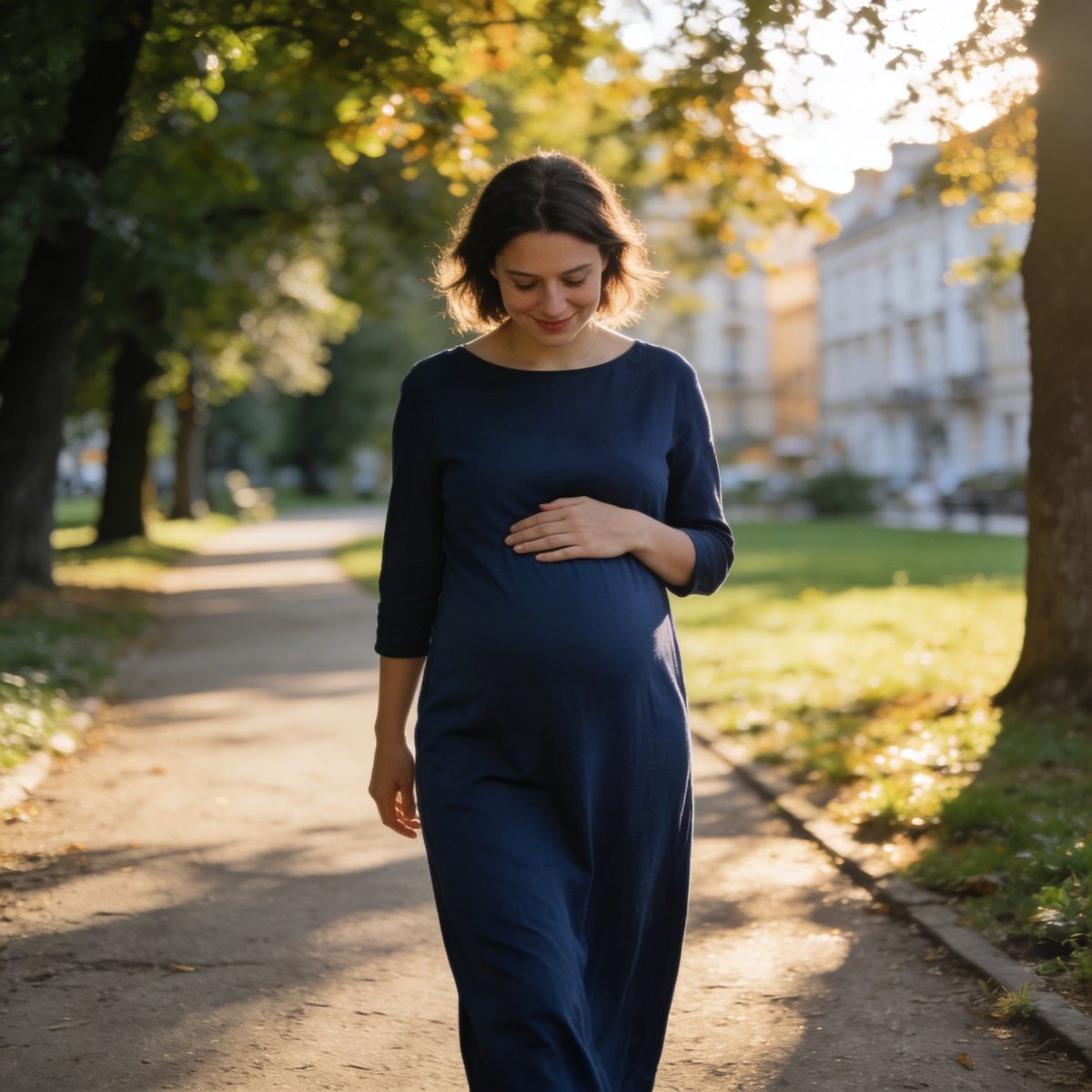
Practical tip: When you first contact a photographer, lead with your preferred location type. A photographer who specialises in outdoor and lifestyle sessions will have a completely different portfolio and skill set to one whose primary space is a studio. It is worth checking both before committing.
When to have your maternity photoshoot: the week-by-week guide
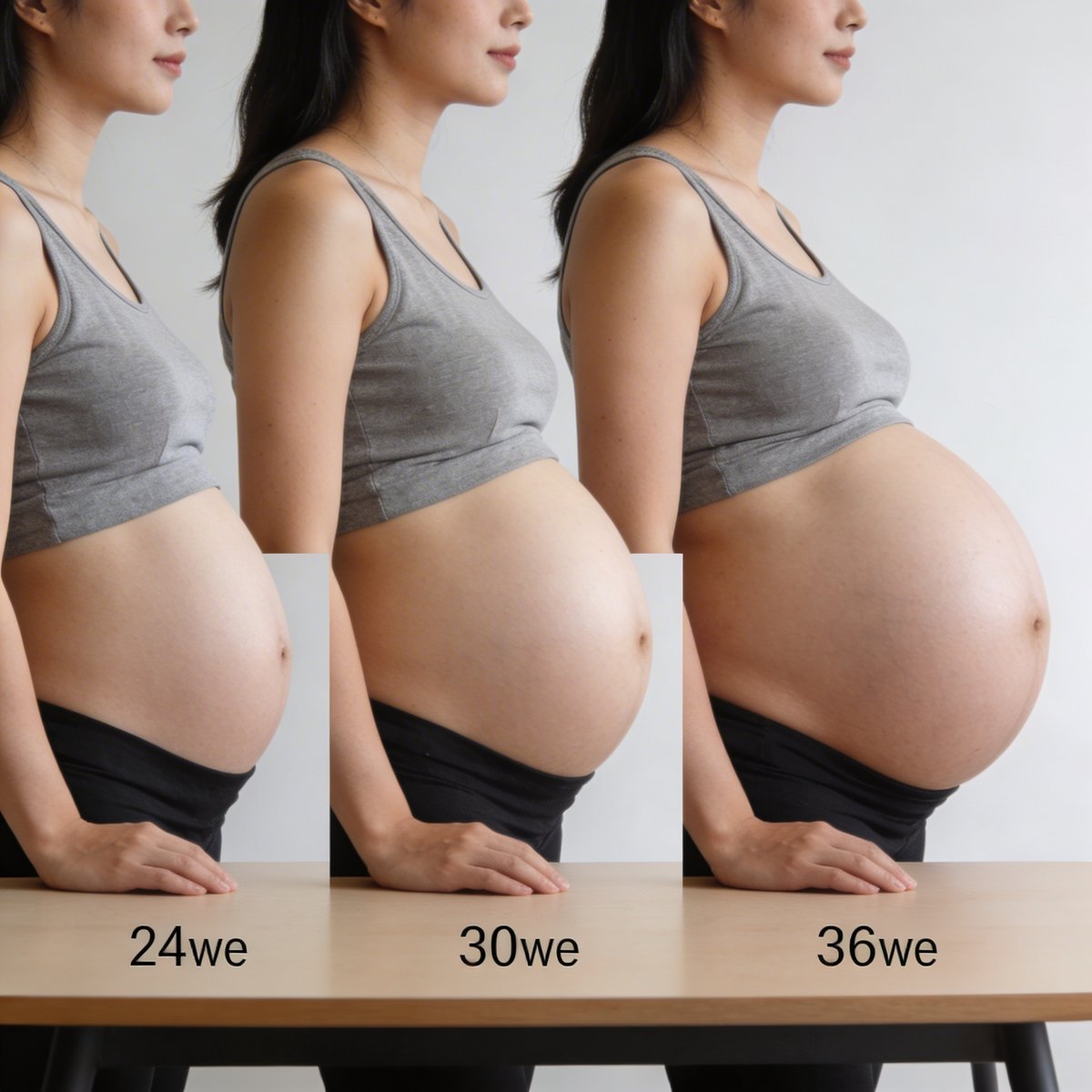
For a studio or home session, where weather is not a factor, the optimal timing for a pregnancy photo session in Ireland follows the same biological logic as anywhere else. Your bump reaches its most photogenic shape between 28 and 34 weeks of pregnancy. Before that, the bump may still be modest; after 36 weeks, you are in the territory where early arrival becomes a real possibility and physical comfort can decline sharply.
Weeks 28–34: the standard window
Within these six weeks, most photographers and expectant mothers find that weeks 30 to 32 hit the sweet spot. Your bump is unmistakably rounded, you can still move with relative ease, and you have not yet reached the point of sheer exhaustion that many women feel in the final month. Your skin is often at its most luminous during this period too, a result of increased circulation and the hormonal changes of mid-to-late pregnancy.
Adjusting for your pregnancy type
| Pregnancy type | Recommended window | Reason |
|---|---|---|
| Twin or multiple pregnancy | 24–28 weeks | The bump develops and rounds out significantly earlier; comfort levels reduce sooner |
| First pregnancy | 28–34 weeks | Standard timeline, bump progression is typically more gradual |
| Second or later pregnancy | 28–32 weeks | The bump often shows earlier and more prominently; some mothers prefer to shoot slightly earlier |
| Medically monitored pregnancy | As advised by your consultant or midwife | Your safety and your baby's safety come first; a good photographer will adapt entirely around your medical situation |
Maternity leave and session timing
One aspect specific to Ireland worth considering: Irish law provides for 26 weeks of paid maternity leave plus 16 weeks of unpaid leave under the Maternity Protection Acts 1994 and 2004. Many women begin their leave two weeks before their due date, which typically falls around week 38 of pregnancy. If you plan to start leave at week 38, your session at weeks 30–32 will fall several weeks before your leave begins, while you are still in your normal daily routine.
Some mothers prefer to schedule their session in the final working week before maternity leave starts, it can feel like a wonderful personal milestone, a moment of celebration before a new chapter begins. If that appeals to you, discuss it openly with your photographer, who may be able to offer a weekday slot during standard working hours.
When to make contact: from week 20 onwards
Do not wait until you are 28 weeks to begin looking. The most sought-after maternity photographers in Dublin, Cork, and Galway often have diaries that fill 10 to 12 weeks ahead. Reaching out around your 20-week scan gives you the best chance of securing exactly the slot you want, and it gives you time to research portfolios, ask questions, and make a considered choice rather than a rushed one.
Irish seasons and outdoor shoots: what actually works
This section is for anyone considering an outdoor maternity photoshoot in Ireland. The honest truth about Irish weather is that it rewards flexibility and penalises rigidity. But that does not mean outdoor sessions are a lottery, it means planning smartly.
The best months for outdoor maternity photography
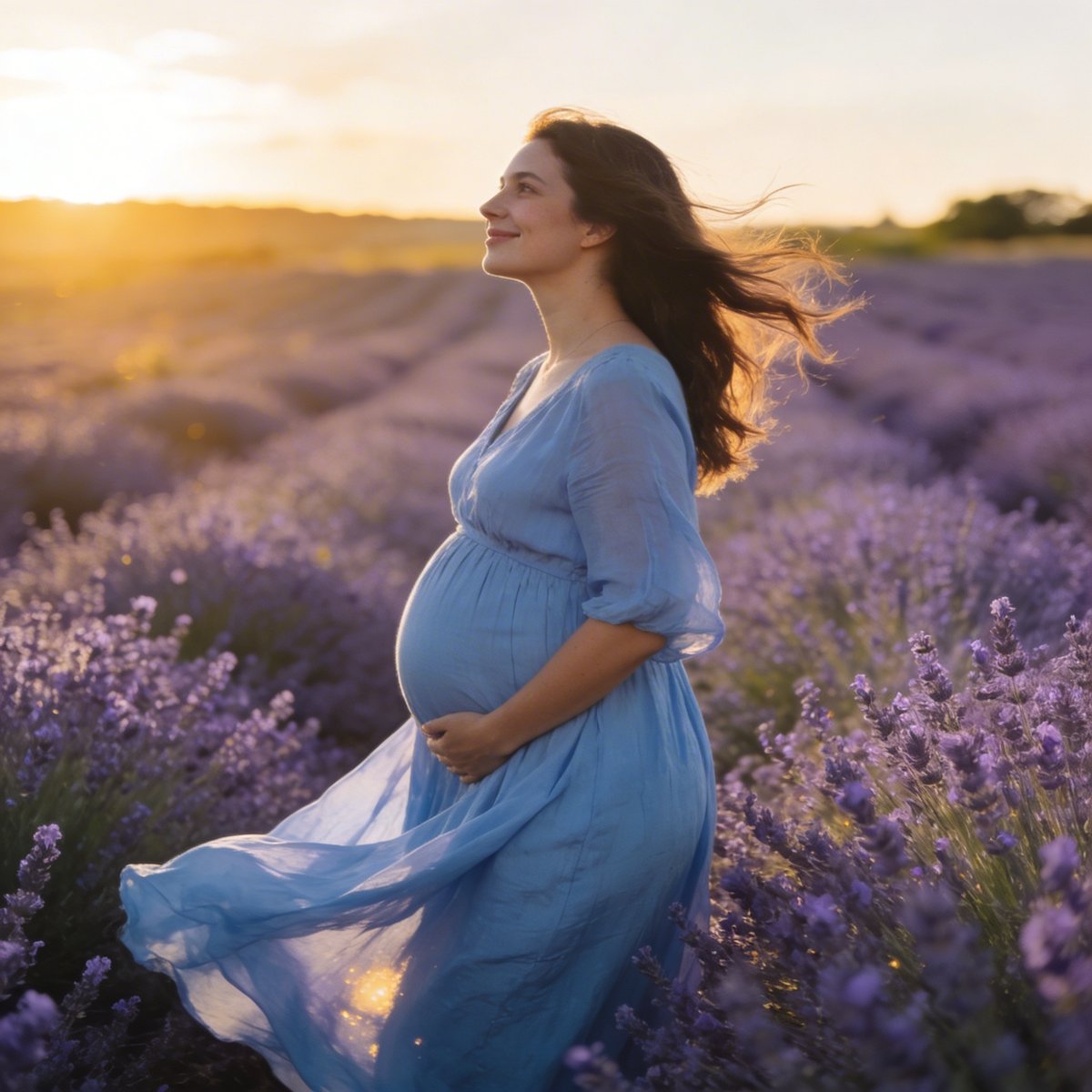
May, June, and September are widely considered the most reliable months for outdoor photography sessions in Ireland. May and June offer longer days, a reasonable chance of dry periods, and the lush greenery that makes Irish landscapes so distinctive. September frequently delivers what locals call "the second summer"mild temperatures, golden light, and dramatic skies.
July and August are technically summer, but Irish summers are famously variable. You may get a glorious week; you may get three weeks of Atlantic drizzle. Plan for both.
October through April presents the most risk for outdoor sessions. Daylight hours are short, temperatures can be genuinely cold for an expectant mother in flowing clothing, and wet conditions make the ground and approaches to scenic spots unpleasant underfoot. This does not make winter outdoor shoots impossible, the bare trees and dramatic winter light can produce striking images, but it requires a reliable weather window and a very capable photographer who works well in mixed conditions.
The diffused light advantage
Here is what Irish photographers often tell their clients: overcast days are not the enemy. The soft, even light produced by cloud cover eliminates harsh shadows and is genuinely flattering for maternity portraits. Many of the most beautiful outdoor maternity images from Ireland were taken on days that looked uninspiring on paper. Trust your photographer's judgement on this, they know their locations and their light.
Always have a backup plan
Any reputable outdoor maternity photographer in Ireland will discuss a weather contingency with you at the time of booking. This might mean rescheduling to a nearby day, moving to a sheltered location, or pivoting to an indoor session at short notice. Ask about this policy before you book, it is a good indicator of a professional who has genuinely thought through the Irish context.
Getting ready: what to do in the days before your session
Preparation in the days leading up to your maternity photoshoot makes an enormous difference, not in a high-pressure, perfectionistic way, but in the sense of arriving feeling genuinely well and at ease.
Skin and body care
Hydration is the single most impactful thing you can do for your skin before a photoshoot. Drink consistently in the three or four days beforehand. Your bump will look smoother and more luminous, and your complexion will thank you. A simple body moisturiser applied morning and evening to your bump, arms, and décolletage is worth the five minutes it takes. Your hands will appear frequently in your photographs, a light hand cream and a simple, neutral manicure (nude, blush, or natural) is all you need.
Rest and managing late-pregnancy tiredness
Late pregnancy and deep sleep rarely coexist comfortably. Do what you can in the two nights before your session, a pre-sleep bath, a comfortable pillow arrangement, limiting screen time late in the evening. Fatigue shows in photographs in a way that is difficult to correct in editing. You do not need to arrive perfectly rested, but arriving genuinely tired will work against you.
The day before: a calm evening
Avoid any strenuous activity the day before. If you have other children, try to arrange for someone else to handle the bedtime routine so you can take an hour for yourself. Lay out your outfits, make sure your transport to the session is organised, and go to bed without a to-do list running through your head. The session itself should feel like a gift to yourself, not another item to manage.
What to wear: outfit guidance for Irish settings
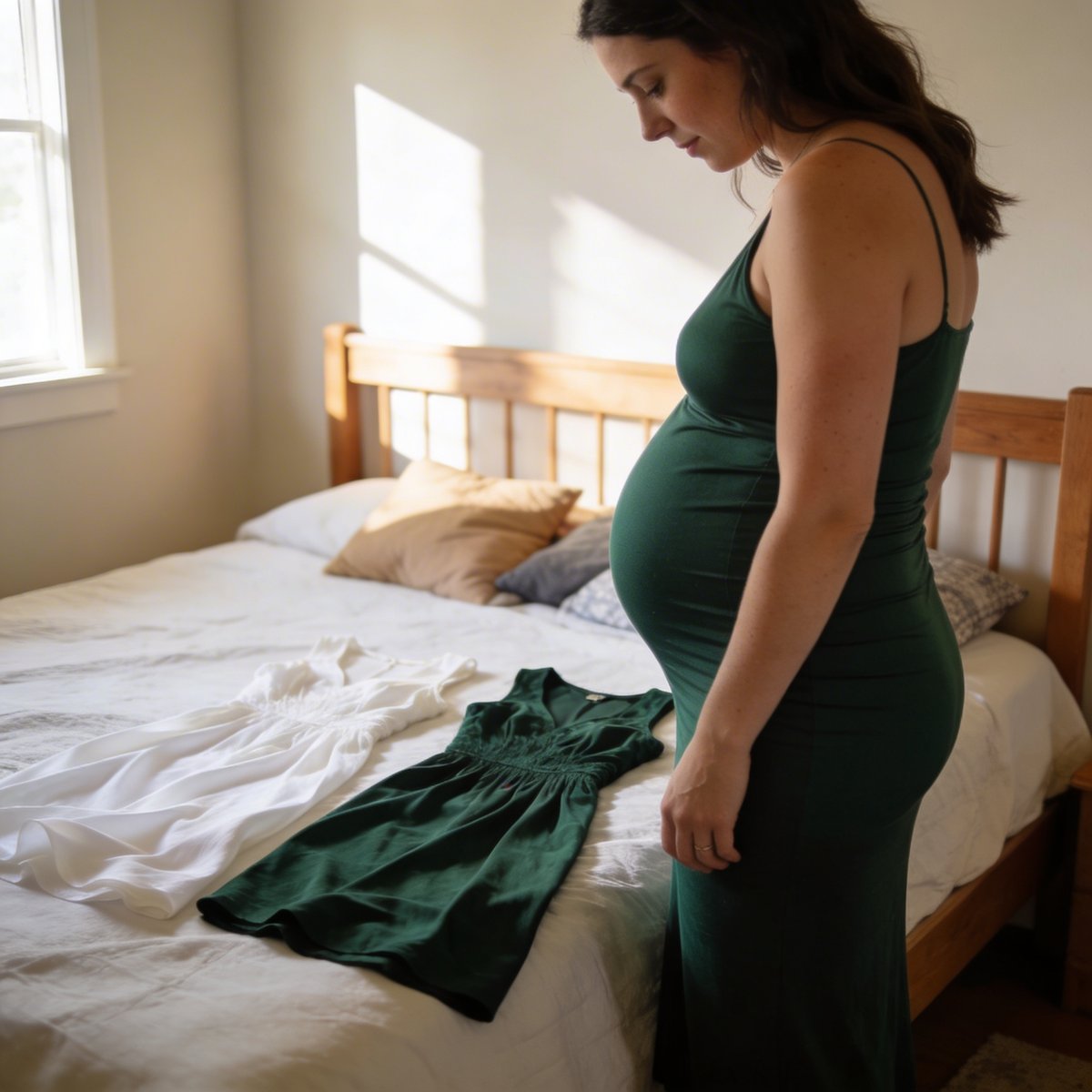
Outfit choice for a maternity photoshoot depends partly on your setting, the palette and fabric that sings in a wildflower meadow in Wicklow is different to what works beautifully in a clean, light-filled studio in Dublin. Here is how to think about it.
For studio sessions: soft tones and flowing fabrics
In a studio environment, long flowing dresses in neutral and blush tones, off-white, warm ivory, camel, dusty sage, pale blush, work beautifully against most studio backdrops. Look for fabrics with movement: chiffon, stretch jersey, soft tulle. Avoid busy prints or bold colour contrasts, which can draw the eye away from you and your bump.
As mentioned earlier, many Irish maternity photographers maintain a studio wardrobe. Before spending money on an outfit you will wear once, contact your photographer and ask what they have available. The variety is often surprising.
For outdoor sessions: layers and practical thinking
Outdoor sessions in Ireland require a degree of practical thinking that you would not need on a Mediterranean beach shoot. A long, flowing dress photographs beautifully, but you will be wearing it in conditions that may include grass underfoot, a breeze off the Atlantic, and temperatures that feel cooler than the thermometer suggests. Bring a warm layer to travel in, and plan to remove it only for the photographs themselves, your photographer will time this for you.
Muted, natural tones work exceptionally well against Irish outdoor backdrops: the greens, greys, and ochres of the Irish landscape. Earthy burgundy, deep forest green, soft terracotta, and cream all sit harmoniously within an outdoor Irish setting.
Including your partner and older children
Couple and family sessions are among the most requested formats in Irish maternity photography. The guiding principle for your partner is to complement rather than compete, neutral tones, simple cuts, nothing that pulls focus from the mother and bump. Light-coloured chinos or dark jeans with a plain shirt in cream or grey works well in almost any setting.
For older children, simple and comfortable is everything. Coordinated tones rather than matching outfits. Avoid logoed clothing. A little boy in a plain light shirt, a little girl in a simple dress that picks up a colour from her mother's outfit, these small details create visual harmony without being staged.
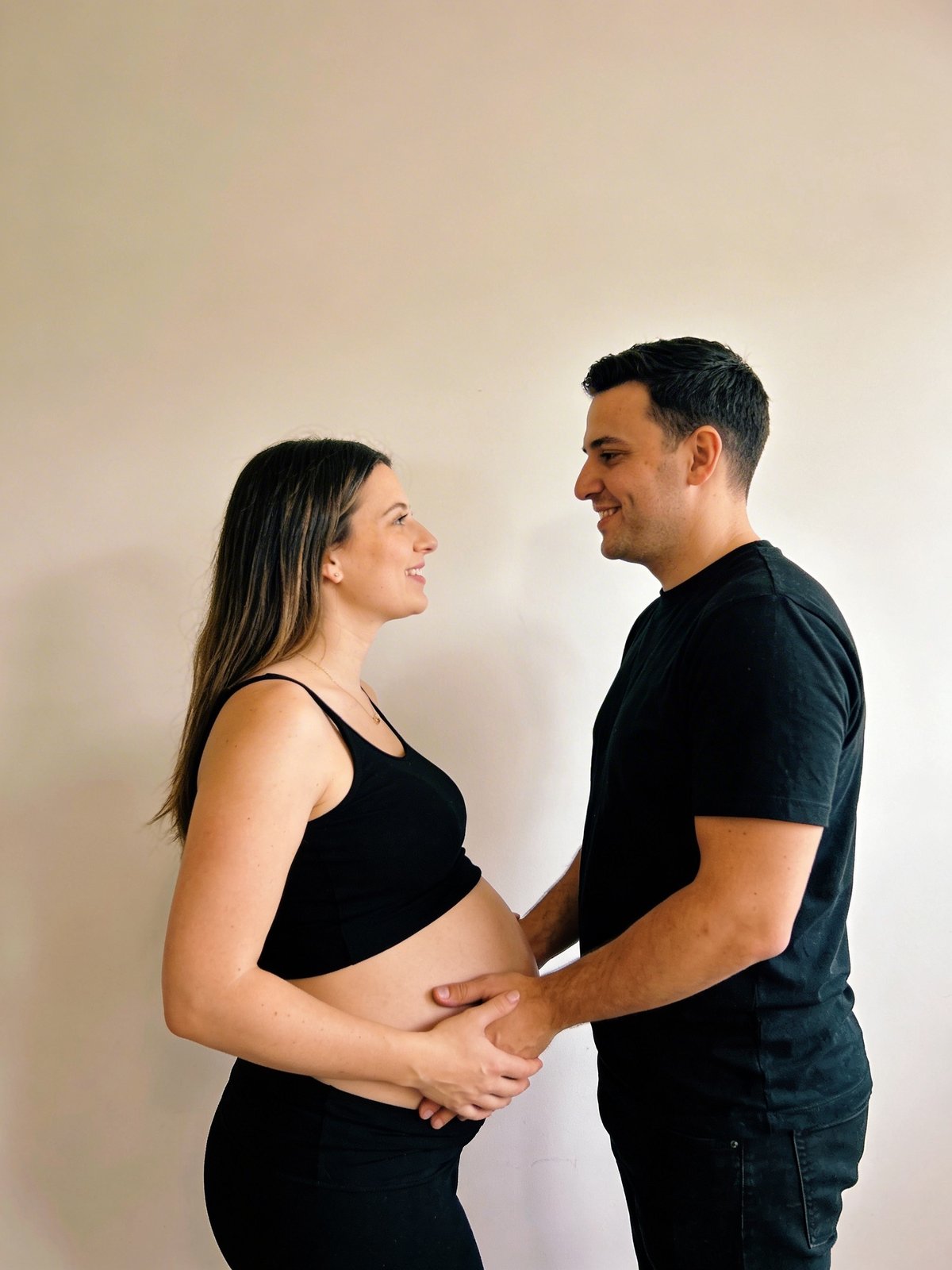
Intimate and bare-bump options
Bare-bump and bodysuit shots are among the most requested images from maternity sessions, and some of the most timeless. If this is something you are considering, bring a set of comfortable neutral-toned underwear (a high-waist brief in flesh or nude, a soft bra or bralette). If you feel uncertain about this when you first book, that is entirely normal, many mothers find that once they are in the session and feeling at ease with their photographer, they are comfortable with options they initially hesitated over. But there is never any pressure: you are completely in control of what you show and what you do not.
On the day: how your session will unfold
If you have never been in front of a professional photographer before, knowing what to expect takes away a great deal of the uncertainty. Here is what a typical maternity photo session in Ireland looks like from start to finish.
Arrival and settling in
Allow yourself to arrive without rushing. Sessions typically last between 90 minutes and two hours, there is genuine space to settle in, get changed, and have a conversation with your photographer before the camera comes out. This warm-up period is not wasted time; it is the foundation of a relaxed session. The images that look most natural are almost always taken once you have forgotten the camera is there.
Posing and guidance
Your photographer will guide every pose. You do not need prior experience and you do not need to know what you look like from the outside, that is precisely what your photographer is there to observe and direct. Sessions typically move from simple standing poses (which feel least exposing and help you warm up) through to seated, reclining, and profile work. Your photographer will watch your energy levels and pace the session accordingly, building in breaks whenever you need them.
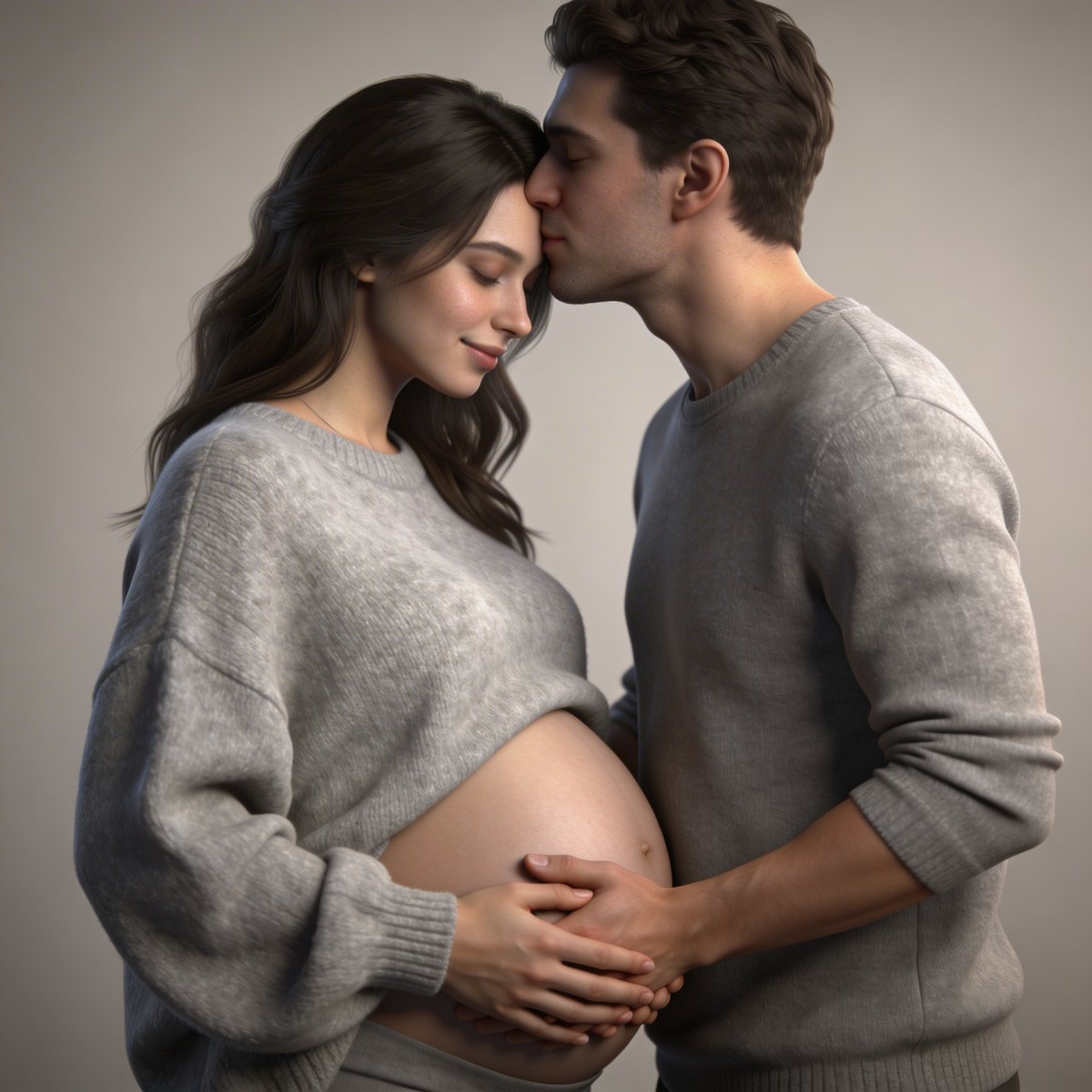
Intimate and personal touches
Some of the most requested photographs in Irish maternity sessions are the quiet, still ones: a hand resting on a bump, a forehead pressed to a partner's, a silent moment of connection. These are not staged emotions, a good photographer creates the conditions for them to emerge naturally. Bring anything that holds personal meaning to you: a baby name card, a pair of tiny shoes, a piece of jewellery. These small objects can anchor a photograph with a story that no backdrop can replicate.
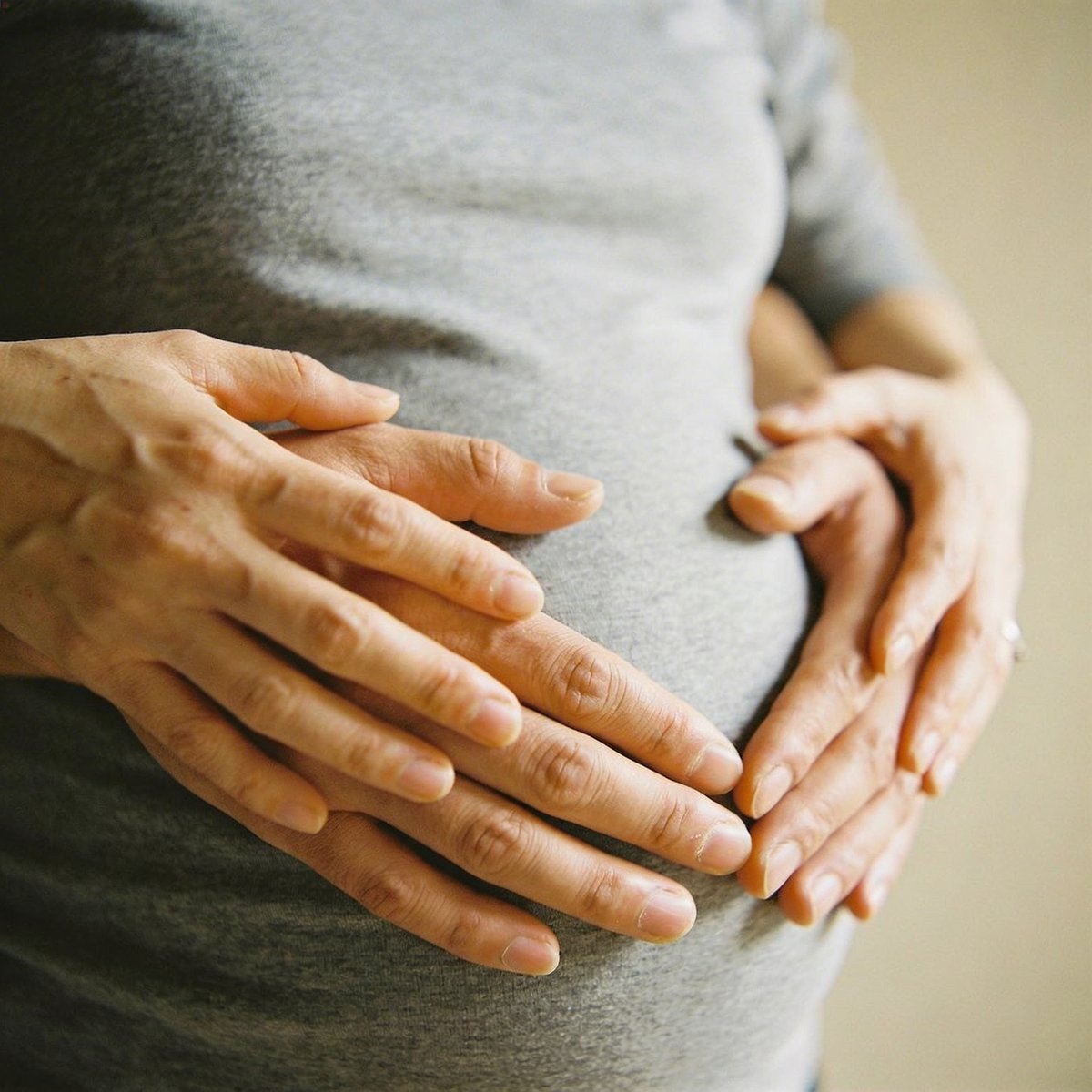
Viewing your images
After the session, most photographers in Ireland will provide access to a private online gallery within two to three weeks. Some offer an in-studio viewing session where you select your favourites together, which many families find a deeply emotional and enjoyable experience. Ask your photographer how they handle image delivery and selection when you first enquire: the process varies significantly, and it is worth knowing what to expect before you book.
Interested in seeing the work of maternity photographers currently listed in Ireland? Browse our directory of professional baby and maternity photographers.
Maternity photography costs in Ireland
Pricing for maternity photoshoots in Ireland varies depending on the photographer's experience, their location, and what the package includes. As a general guide, packages typically run from around €150 to €400, with premium packages at the higher end including extended session time, a larger selection of edited images, and use of the photographer's wardrobe.
A few factors that influence pricing in the Irish market specifically:
- Dublin versus outside Dublin: As with most services in Ireland, photography rates in Dublin tend to be 20–30% higher than equivalent work in Cork, Galway, or Limerick. Rural and regional photographers frequently offer excellent quality at lower price points, with the added advantage of knowing local outdoor locations intimately.
- Studio overhead: Photographers who rent dedicated studio space typically charge slightly more than those operating from a home studio or working on location only, the overhead is reflected in the rate.
- Timing within your session package: Some photographers offer a combined maternity and newborn package, which can represent better value than booking each separately. If you are also planning a newborn session after the birth, ask about this at the time of booking.
For a full breakdown of photography pricing in Ireland by session type, see our guide to baby photographer costs in Ireland for 2026.
Looking for a maternity photographer near you? Browse our listings for Dublin, Cork, Galway, Limerick, and Waterford to compare portfolios and find someone whose work speaks to you.
Questions and answers
What is the best time of year to have an outdoor maternity photoshoot in Ireland?
May, June, and September offer the most reliable conditions for outdoor sessions. These months combine reasonable dry spells with good light quality, May and June have the longest daylight hours, while September frequently delivers mild temperatures and golden evening light. If you have your heart set on an outdoor session, try to time your pregnancy so your optimal window (weeks 28–34) falls within these months. If it does not, a studio session is an excellent and beautiful alternative.
How far in advance should I book my maternity photographer in Ireland?
Contact photographers from around your 20-week scan. The most in-demand maternity photographers in Dublin, Cork, and Galway can be booked 10 to 12 weeks ahead, and popular slots, weekend mornings, early evenings in summer, go quickly. Reaching out at 20 weeks gives you enough lead time to research portfolios properly rather than settling for whoever happens to be available.
Do Irish maternity photographers lend clothing for the session?
Many do, particularly those with a dedicated studio space. It is always worth asking when you first make enquiries, some photographers maintain an extensive wardrobe of maternity dresses in various sizes and styles, which means you do not need to invest in specialist clothing you will only wear once. If your preferred photographer does not offer a wardrobe, they will usually be able to advise on where to source or hire something suitable.
How much does a maternity photoshoot cost in Ireland?
Most packages fall in the range of €150 to €400, depending on the photographer, their location, and what is included. Dublin-based photographers typically charge at the higher end of this range. Regional photographers in Cork, Galway, Limerick, and Waterford often offer comparable quality at lower rates. See our full pricing guide for Ireland for a more detailed breakdown.
Can I have a maternity photoshoot at home in a rural area of Ireland?
Absolutely, and home sessions can be particularly lovely in rural settings. A photographer who specialises in lifestyle and home sessions will assess your space during an initial conversation, advise on which rooms and natural light sources work best, and handle everything else on the day. In parts of Connacht, Ulster, and rural Munster where travelling to a city studio is a significant undertaking, a home session is an excellent and increasingly popular alternative.
Should I include my partner in the maternity photoshoot?
This is entirely your choice, but couple sessions are among the most emotionally resonant photographs that maternity photography produces. The images of two people on the threshold of becoming a family, or growing their family, capture something that a solo portrait simply cannot. Your photographer will guide your partner through every pose; no experience is required. Ask your partner to wear something simple and in a neutral tone that complements your outfit without drawing focus.
What if the weather is bad on the day of my outdoor session?
Any professional outdoor maternity photographer in Ireland will have a clear weather contingency policy, it is part of operating in this climate. In most cases, this means the option to reschedule to a nearby date, move to a sheltered location, or shift to an indoor session at short notice. Ask about this policy before you commit to any booking: it is a genuine differentiator between photographers who have thought carefully about working in Ireland and those who have not.
Is it possible to have both a maternity and a newborn session with the same photographer?
Yes, and many Irish photographers actively encourage this as a combined package. There are real advantages to using the same photographer for both sessions, they know your face, your aesthetic preferences, and how you respond in front of a camera. Some photographers offer a combined maternity and newborn package at a reduced rate compared to booking each separately. Ask about this when you first enquire, as availability for newborn sessions (which need to happen within the first two weeks of birth) can be even tighter than maternity slots.
Your pregnancy in Ireland: a moment worth capturing
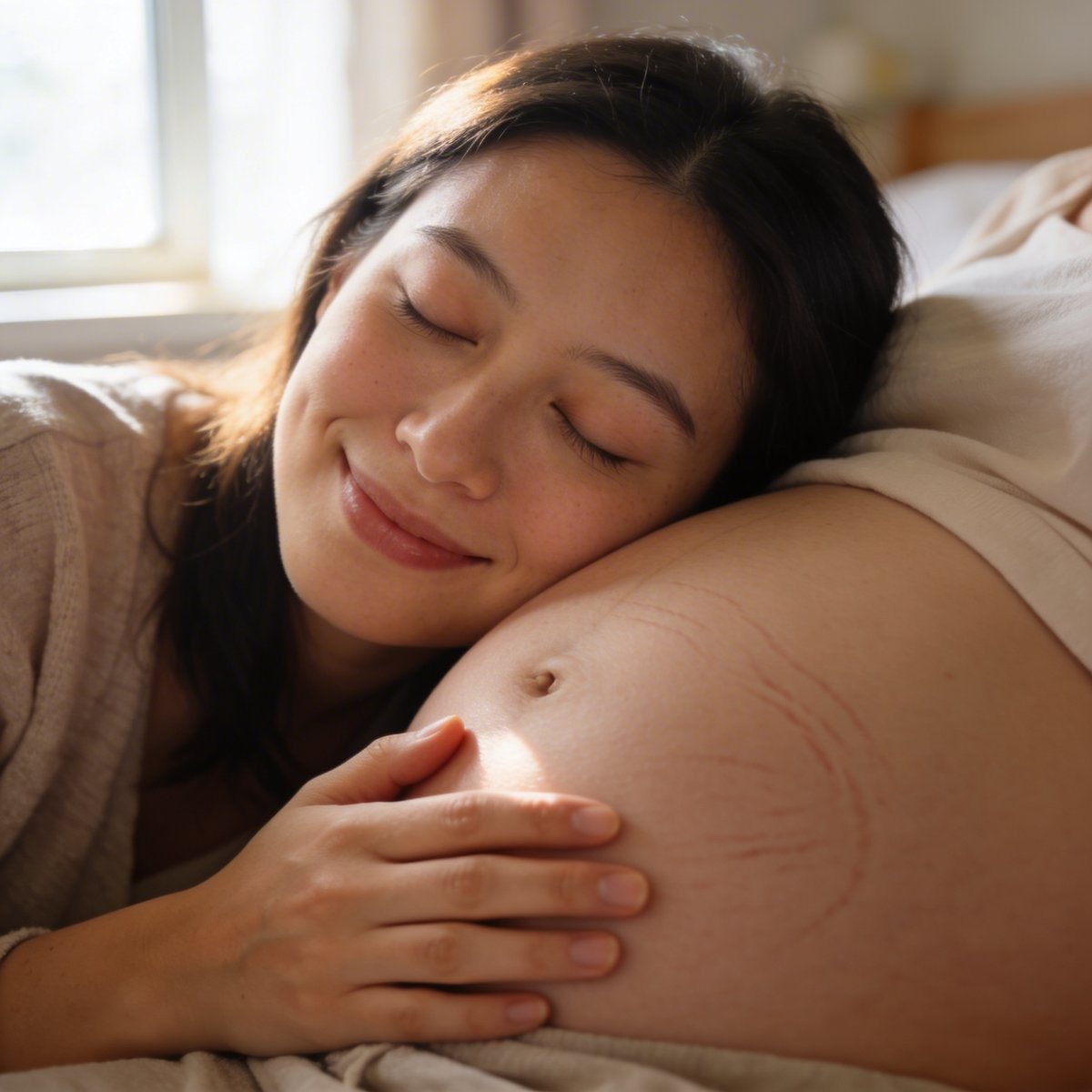
Ireland has something that many countries do not: a culture of genuine personal recommendation and word-of-mouth trust. The maternity photographers who work here have built their reputations one family at a time, in a market where every review and every referral counts. That same intimacy is what makes an Irish maternity photoshoot such a particular experience, smaller, warmer, and less anonymous than you might find in a larger market.
The weeks between month seven and month eight of your pregnancy pass with remarkable speed. Your bump will not look this way for very long. The images you create now will outlast the tiredness, the uncertainty, and the thousand small details of daily pregnancy life, and in twenty years, you will be astonishingly glad you have them.
When you are ready to start looking, our guide to choosing a baby photographer in Ireland covers what to look for, what to ask, and how to read a portfolio. You might also want to read about newborn photography in Ireland to begin planning the session that will follow the birth.
Find a baby photographer in Ireland
Browse portfolios and compare maternity photographers across the country.
See all photographers →Related articles
- How to choose a baby photographer in Ireland, complete guide
- Baby photoshoot by age: from newborn to 12 months
- Baby photographer cost in Ireland 2026: full pricing breakdown
- 3-month baby photoshoot: preparation and what to expect
- Baby passport photo guide: Irish requirements and how to get it right
- Baby photography in Ireland: techniques and styles explained
According to the CSO, approximately 54,000 babies were born in Ireland in 2024. The HSE recommends that pregnant women consult a healthcare professional before any physical activity, including photo sessions.

